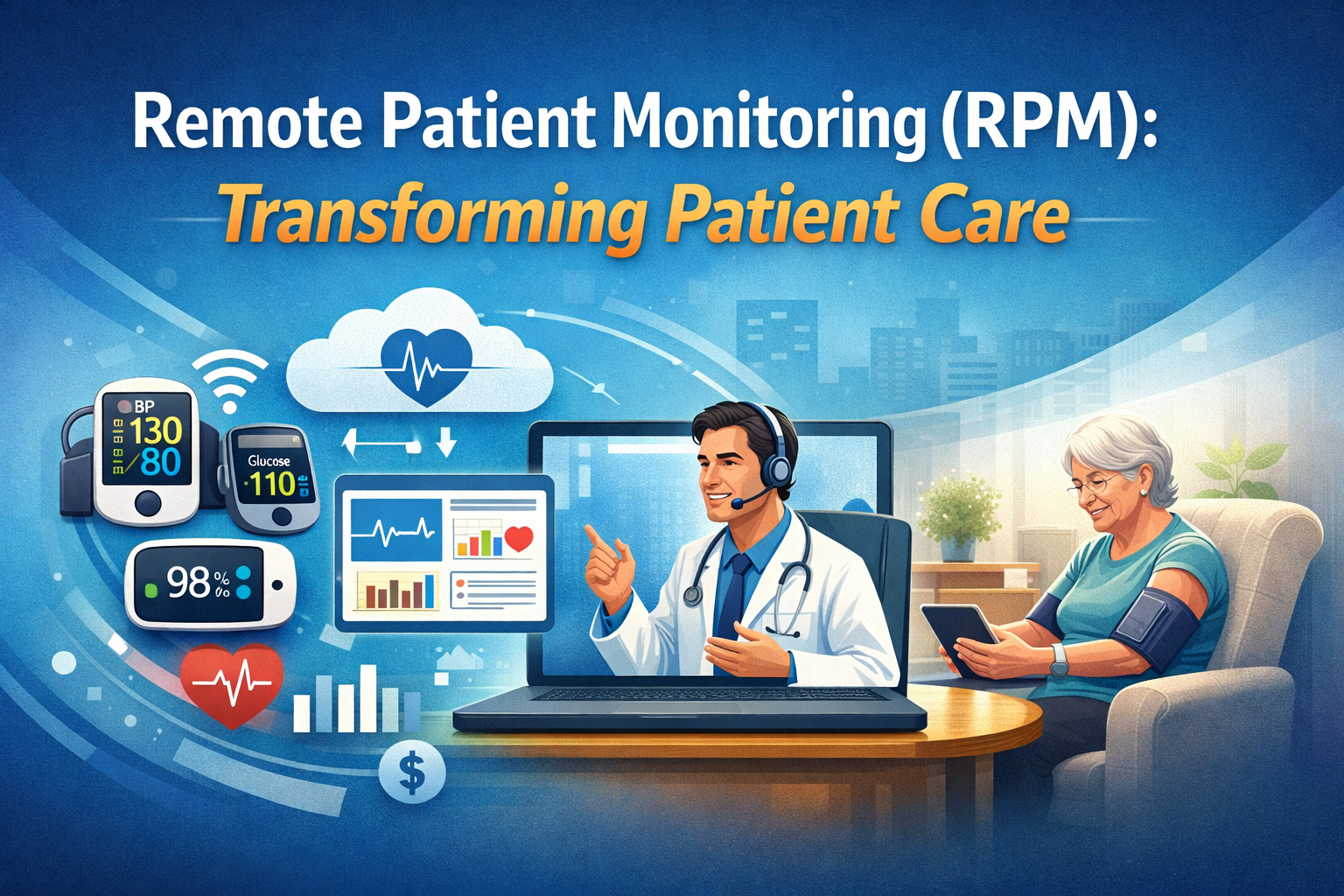

Remote Patient Monitoring (RPM) is rapidly transforming how healthcare providers deliver care beyond traditional clinical settings. By leveraging digital health technologies, RPM enables continuous monitoring of patients’ health data while improving outcomes, reducing costs, and enhancing patient engagement. As healthcare shifts toward value-based care, RPM has become an essential tool for practices aiming to deliver efficient and proactive medical services.
What Is Remote Patient Monitoring (RPM)?
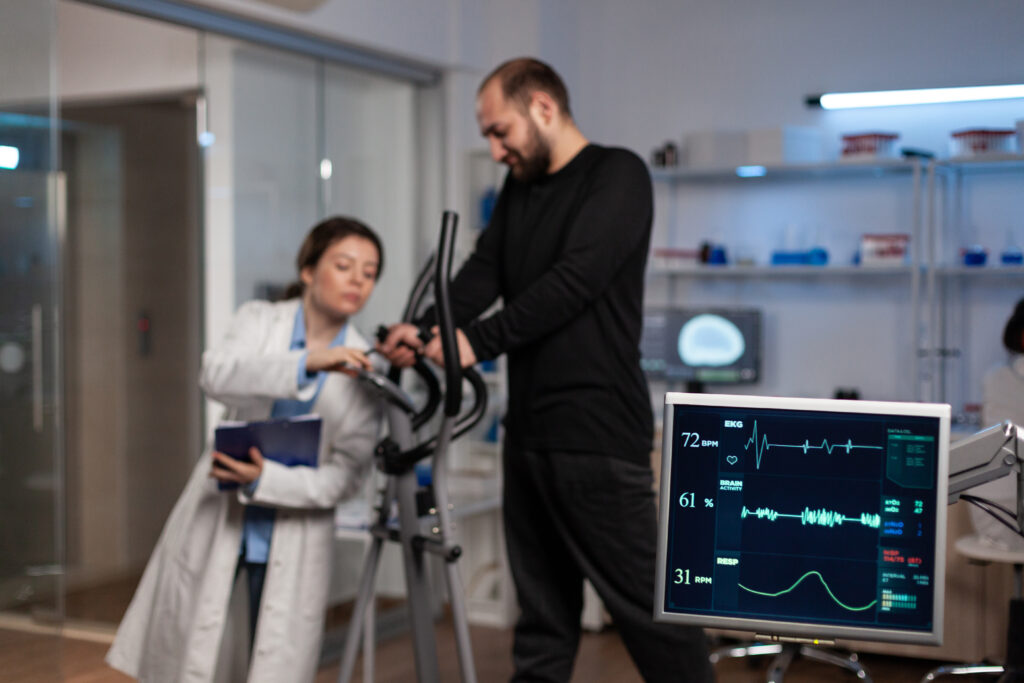
Remote Patient Monitoring refers to the use of FDA-approved medical devices to collect and transmit patient health data from outside a healthcare facility. These devices track vital signs such as blood pressure, blood glucose, heart rate, oxygen saturation, and weight. The collected data is securely transmitted to providers, allowing timely clinical decisions without requiring frequent in-person visits.
RPM is especially beneficial for managing chronic conditions like diabetes, hypertension, congestive heart failure, and COPD. It empowers providers to detect issues early, intervene promptly, and reduce hospital admissions.
RPM and Revenue Cycle Management Maximizing Practice Performance
Successful RPM programs are closely tied to Revenue Cycle Management Maximizing strategies. Proper RPM implementation not only improves patient care but also creates consistent reimbursement opportunities when billed correctly. CMS and many commercial payers reimburse RPM services, making it a sustainable revenue stream for medical practices.
Efficient Revenue Cycle Management ensures:
- Accurate patient eligibility verification
- Proper CPT code usage
- Timely claim submission
- Reduced denials and faster reimbursements
When RPM workflows are aligned with strong RCM processes, practices can maximize revenue while maintaining compliance with payer guidelines.
RPM vs Remote Therapeutic Monitoring (RTM)
While RPM focuses on monitoring physiological data, Remote Therapeutic Monitoring emphasizes tracking therapy adherence and treatment response, such as musculoskeletal or respiratory therapy progress. Both services support remote care but differ in scope, data type, and billing requirements. Understanding these differences helps practices select the right model for their patient population.
Benefits of RPM for Providers and Patients
RPM offers value across the healthcare ecosystem:
- Improved Patient Outcomes: Continuous monitoring enables early intervention
- Reduced Hospital Readmissions: Timely care prevents complications
- Enhanced Patient Engagement: Patients stay actively involved in their health
- Operational Efficiency: Less reliance on in-office visits
- Scalable Care Model: Providers can manage more patients effectively
For practices, RPM supports long-term growth while aligning with modern healthcare delivery standards.
RPM Billing and Compliance Considerations
To ensure reimbursement, RPM services must meet CMS requirements, including minimum data transmission days and documented provider time. Accurate documentation and compliance are critical to avoid denials. Partnering with experienced billing and RCM professionals can help practices navigate these complexities.
At Prime Practice Management, we help healthcare providers streamline RPM billing, ensure compliance, and integrate RPM into their broader Revenue Cycle Management strategy.
Conclusion
Remote Patient Monitoring is no longer a future concept—it is a vital component of modern healthcare. When implemented correctly, RPM enhances patient care, supports chronic disease management, and creates new revenue opportunities through Revenue Cycle Management Maximizing best practices. By integrating RPM and Remote Therapeutic Monitoring into daily operations, healthcare providers can deliver high-quality, patient-centered care while ensuring financial sustainability.
FAQs
Q1: Is RPM covered by Medicare?
Yes, Medicare reimburses RPM services when CMS guidelines are met, and many commercial payers also provide coverage.
Q2: What conditions qualify for RPM?
RPM is commonly used for chronic conditions such as diabetes, hypertension, heart disease, and respiratory disorders.
Q3: Can RPM be used with telehealth?
Yes, RPM complements telehealth by providing continuous data monitoring between virtual or in-person visits.
Q4: How is RPM different from Remote Therapeutic Monitoring?
RPM tracks physiological data, while Remote Therapeutic Monitoring focuses on therapy adherence and treatment progress.