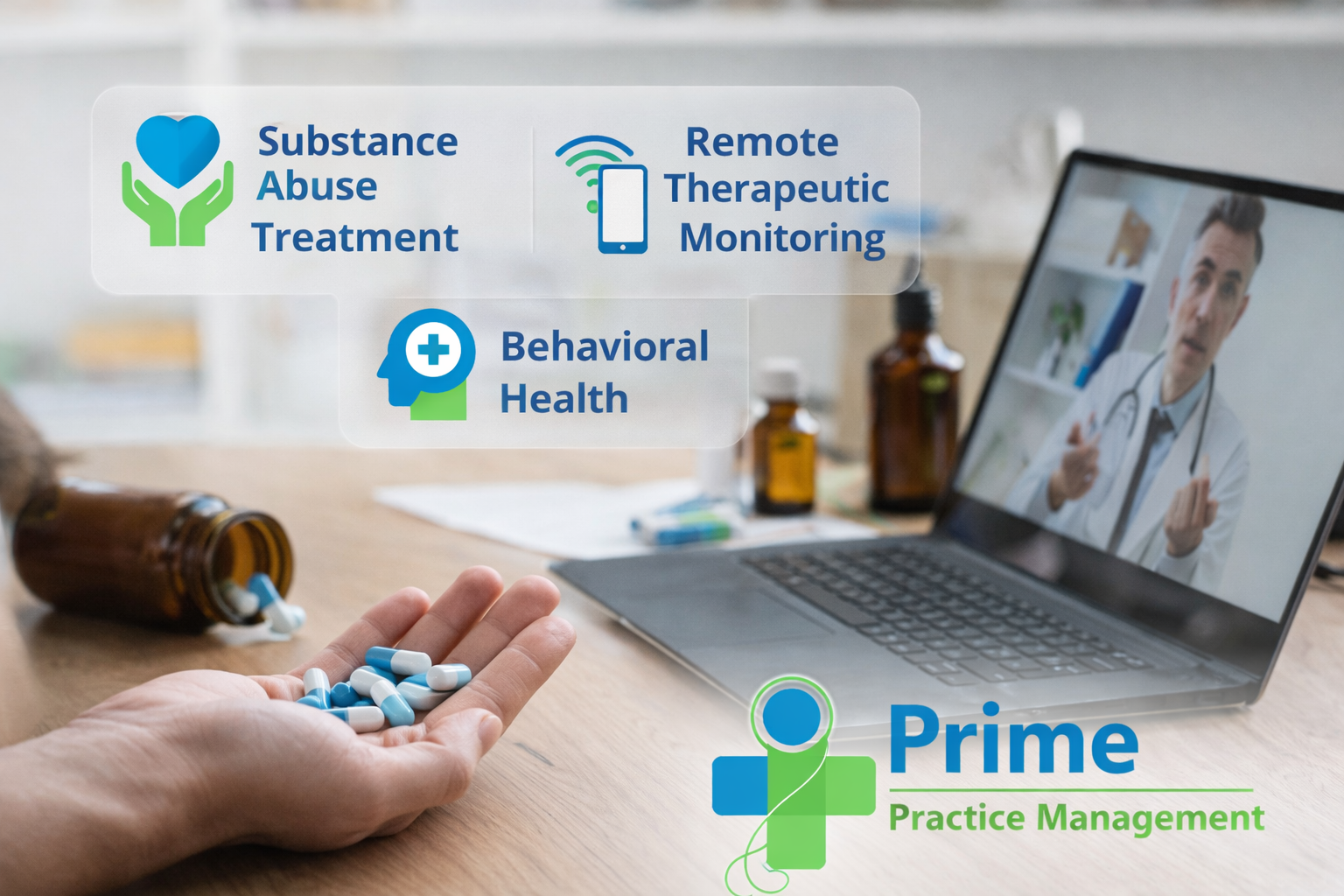

Substance abuse continues to be one of the most complex and widespread public health challenges affecting individuals, families, and healthcare systems worldwide. From alcohol and prescription medications to illicit drugs, substance use disorders (SUDs) impact both physical and mental health, often requiring long-term, structured care. As healthcare evolves, innovative solutions such as Behavioral Health programs and Remote Therapeutic Monitoring (RTM) are transforming how substance abuse is treated and managed.
What Is Substance Abuse?
Substance abuse refers to the harmful or hazardous use of psychoactive substances, including alcohol and drugs. Over time, repeated misuse can lead to dependency, impaired judgment, emotional instability, and chronic health conditions. Substance abuse is closely linked with mental health disorders such as anxiety, depression, and trauma-related conditions, making integrated behavioral health care essential for successful recovery.
The Impact of Substance Abuse on Behavioral Health

Substance abuse rarely exists in isolation. Many individuals struggling with addiction also face underlying mental health issues. This dual diagnosis increases the complexity of treatment and highlights the importance of comprehensive behavioral health services that address both psychological and physical aspects of addiction.
Without proper support, substance abuse can lead to:
- Declining mental health and emotional well-being
- Increased hospitalizations and emergency visits
- Poor medication adherence
- Reduced quality of life and social functioning
The Role of Remote Therapeutic Monitoring in Substance Abuse Treatment
With advancements in digital healthcare, Remote Therapeutic Monitoring (RTM) has emerged as a powerful tool in managing substance abuse and behavioral health conditions. RTM allows healthcare providers to monitor patients’ progress outside traditional clinical settings using digital tools, self-reported data, and therapeutic engagement metrics.
For substance abuse treatment, RTM enables:
- Continuous tracking of behavioral patterns and therapy adherence
- Real-time feedback and early intervention
- Improved patient accountability and engagement
- Reduced relapse rates through ongoing support
By leveraging RTM, providers can deliver personalized care plans while maintaining consistent communication with patients—especially critical during recovery when ongoing monitoring makes a measurable difference.
Why Behavioral Health Integration Matters
Effective substance abuse treatment requires more than detox or short-term counseling. Behavioral health integration ensures that patients receive coordinated care involving therapists, counselors, and medical professionals. This approach improves outcomes by addressing emotional triggers, coping mechanisms, and lifestyle factors contributing to substance use.
At Prime Practice Management, we support healthcare practices by optimizing behavioral health workflows, ensuring compliance, and enabling scalable solutions that incorporate RTM and evidence-based care models. Our goal is to help providers deliver high-quality, patient-centered substance abuse treatment while improving operational efficiency.
The Future of Substance Abuse Care
As the demand for mental health and addiction services continues to grow, technology-driven care models will play a central role. Remote Therapeutic Monitoring, combined with behavioral health expertise, empowers providers to offer proactive, data-driven care while expanding access to underserved populations.
Healthcare practices that adopt these tools are better positioned to improve patient outcomes, reduce costs, and meet evolving regulatory and reimbursement requirements.
Conclusion
Substance abuse is a multifaceted behavioral health issue that requires consistent, compassionate, and data-informed care. By integrating Remote Therapeutic Monitoring with comprehensive behavioral health services, healthcare providers can enhance recovery outcomes and provide continuous support beyond the clinic walls. Prime Practice Management remains committed to helping practices modernize substance abuse treatment through efficient, compliant, and patient-focused solutions.
FAQs
1. What is substance abuse?
Substance abuse is the harmful use of alcohol or drugs that leads to health problems, dependency, and impaired daily functioning.
2. How does behavioral health relate to substance abuse?
Behavioral health addresses the mental, emotional, and behavioral factors that contribute to substance use disorders, making it essential for long-term recovery.
3. What is Remote Therapeutic Monitoring (RTM)?
RTM is a digital healthcare service that allows providers to monitor patient progress, therapy adherence, and behavioral patterns remotely.
4. Can RTM help prevent relapse?
Yes, RTM enables continuous engagement, early intervention, and personalized support, which can significantly reduce relapse risk.
5. How does Prime Practice Management support substance abuse treatment?
Prime Practice Management helps healthcare practices implement efficient behavioral health workflows, RTM programs, and compliance-ready solutions to improve patient care and practice performance.